Dry Eye Treatment in Charleston, SC
Dealing with Gritty, Burning Eyes? Suffering From Discomfort and Blurred Vision?
You don’t have to deal with these symptoms of dry eye! At Lowcountry Eye Care, our dry eye specialists use advanced technology to diagnose your case, and help you find long-lasting relief through personalized dry eye syndrome treatment.
What is Dry Eye?
Dry eye, sometimes called dry eye syndrome or disease, occurs when your eyes produce an insufficient quantity or quality of tears. This results in poor lubrication, which can cause itchy, uncomfortable eyes that suffer from redness, irritation, and blurry vision. The main two types of dry eye are:
- Evaporative, where tears lack their necessary oil components and dry up too quickly
- Aqueous, where your tear glands don’t have enough water or produce enough tears
Common causes of dry eye include aging, excessive digital screen use, allergies, and certain medications.
Treatment of Dry Eye at Lowcountry Eye Care
At Lowcountry Eye Care, our expert dry eye doctors are passionate about helping patients find effective, customized solutions for their dry eye disease. Paired with our cutting-edge technology and family-friendly approach, you can find personalized dry eye syndrome treatment at any of our convenient locations.
Cutting Edge Dry Eye Technology
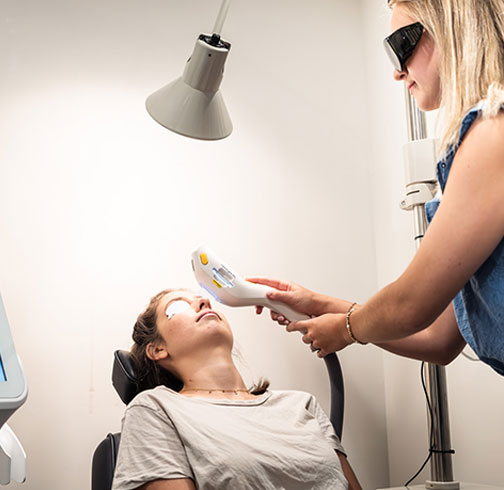
We’re proud to offer the first and only FDA Approved intense pulsed light (IPL) device designed for dry eye treatment: the Lumenis® OptiLight™! This IPL device uses targeted light energy pulses to unblock your eyelid’s clogged oil-producing meibomian glands, as well as heal inflammation.
- Increase the time it takes for tears to evaporate
- Restore oil-producing meibomian glands for healthier tears
- Remove demodex mites that live on eyelashes and irritate your eyes
Dry Eye Specialists
We want everyone we treat to have healthy vision! We’re proud to house esteemed doctors who specialize in treating dry eye. They’re passionate about helping patients find the relief they deserve, and take the time to evaluate their unique symptoms, lifestyle, and needs.
- Receive personalized dry eye treatments tailored to fit your needs
- Provide lasting relief using in-office and at-home solutions
- Leverage advanced diagnostics to track improvement
What Our Patients Say…


Common Dry Eye Questions
Why do my dry eye drops only help for a few minutes?
Artificial tears can add moisture without addressing why your tears are breaking down. Dr. Wes Shealy often sees this when the meibomian glands don’t produce enough oil to keep tears from evaporating.
Why are my eyes watering if they are dry?
Watery eyes can actually be a sign of dry eye. When the eye surface becomes irritated, your eyes may respond by producing extra watery tears. Dr. Shealy says this is one of the symptoms that surprises patients most because the problem may involve tear quality and stability rather than simply having too few tears.
Can dry eye cause blurry vision?
Yes. Dry eye can cause blurry or fluctuating vision because the tear film helps create a smooth optical surface over the eye. If your vision clears after blinking and then becomes blurry again, an unstable tear film may be part of the problem.
What happens during a dry eye evaluation?
A dry eye evaluation looks for the reason behind your symptoms. At Lowcountry Eye Care, your eye doctor may ask about your symptoms, medications, screen habits, and current eye drops, then examine your eyelids, tear film, and eye surface. We may also use dye to assess tear stability and meibomian gland imaging to get a closer look at the glands that produce the oily part of your tears.
How do you decide which dry eye treatment I need?
We base treatment on what is causing your dry eye rather than giving every patient the same plan. We look at your symptoms, tear quality, eyelids, meibomian glands, lifestyle, and other factors before recommending care. Treatment may include a specific artificial tear, prescription medication, lid care, gland-focused treatment, IPL, or a combination of approaches.
Can dry eye be cured permanently?
It depends on the cause. Some symptoms may improve when you address a temporary trigger or contributing factor, while other forms of dry eye may need ongoing management. The goal is to identify the cause, improve eye surface health, and find a plan that keeps symptoms controlled over time.
How do I know if I am a candidate for OptiLight IPL?
OptiLight may be considered for adults whose dry eye is related to meibomian gland dysfunction, where the oil-producing glands along the eyelids don’t work properly. It isn’t the right treatment for every type of dry eye, so your eye doctor will first evaluate your eyes to decide whether IPL fits your needs.
Can dry eye make contact lenses uncomfortable?
Yes. Dry eye can make contact lenses uncomfortable or hard to wear because lenses depend on a healthy tear film. Dr. Shealy has seen patients who stopped wearing contacts because of severe dryness and were able to wear them again for certain activities after treating the underlying dry eye.
When should I see an eye doctor for dry eye?
Schedule an evaluation when dryness, burning, watering, irritation, or blurry vision keeps returning, interferes with your daily activities, or requires frequent eye drops. Dry eye ranges from mild irritation to disease that can affect the corneal surface, so persistent symptoms are worth investigating.
Are over-the-counter dry eye drops bad for my eyes
Not necessarily. Artificial tears are a common treatment for mild dry eye and can be very helpful when they match the patient’s needs. The concern is when you depend on them frequently but get little or very brief relief.